
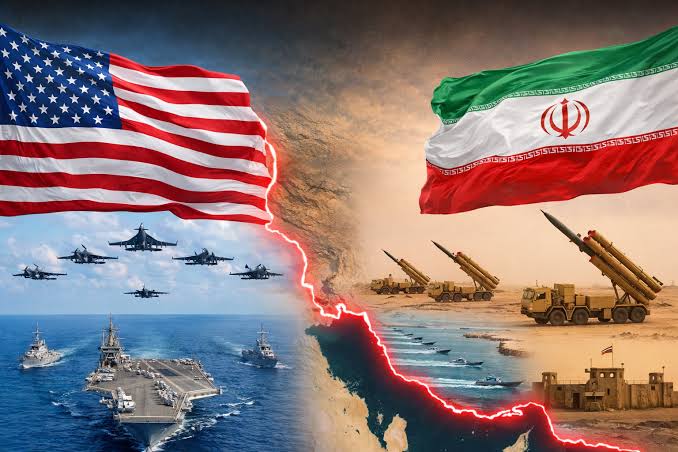
The war between the United States and Iran, sparked by coordinated US and Israeli strikes on February 28, 2026, has led to significant global repercussions. The conflict began as a response to Iran's alleged nuclear ambitions and regional destabilization efforts, but soon escalated into a full-blown war with devastating consequences.
*Causes and Early Developments* The war was preceded by massive anti-government protests in Iran, which were brutally suppressed by the government. Diplomatic efforts failed, leading to the US and Israel launching airstrikes on Iranian targets, killing Supreme Leader Ali Khamenei and other top officials. Iran retaliated with missile and drone attacks, targeting US and Israeli assets.
“Key Events and Impact”- The US and Israel conducted over 13,000 strikes, destroying 80% of Iran's air defense systems and significantly crippling its military capabilities. - The conflict disrupted global oil flows, triggered flight cancellations, and raised fears of a wider regional crisis. - A fragile two-week ceasefire was brokered by Pakistan on April 7, 2026, but underlying tensions remain unresolved.
*Global Response and Concerns* The international community has expressed concerns over the war's humanitarian an-d economic impact. The UN has warned of grave risks to non-combatants, while the US has faced criticism for its strategy and justification for the war. Ceasefire and Future Prospects*
The ceasefire has paused active fighting, but disputes over the Strait of Hormu-z, leadership legitimacy, and regional security continue to fuel tensions. As the situation remains volatile, diplomatic eff-orts are underway to prevent further escalation.





Comments (0)
Join the discussion. Login to comment